Find your personal color
One clear selfie in daylight is all it takes.
How to take a photo that reads true
The same face can read as a different tone under a different light. This is the one setup we ask for, and the four shots that most often change a result. The examples show one invented model; only the light was changed.
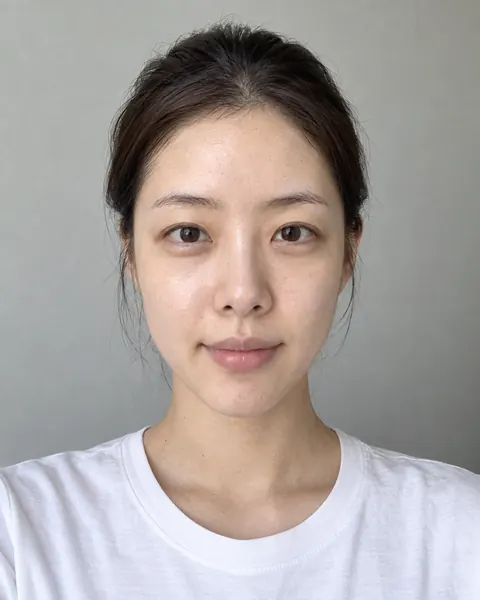 Good photoFace a window in daylight, about an arm’s length away. Lamps off, no filter, hair off your forehead. This model reads as Summer Light.
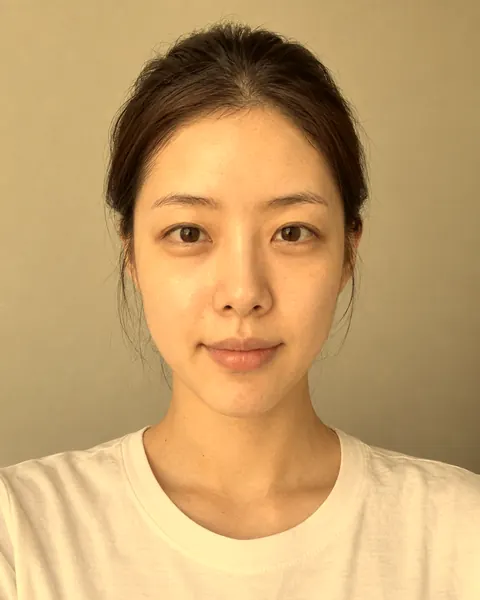 Bad photo: warm lampYellow indoor light tints your skin with warmth that isn’t yours. Our analysis spots the tint and asks for a retake instead of guessing.
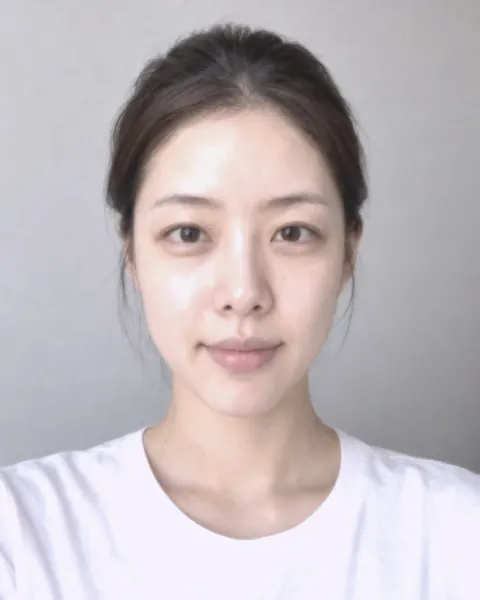 Bad photo: beauty filterFilters lift and smooth the skin. The season stayed Summer, but the tone moved from Summer Light to Summer Mute Light.
 Bad photo: window behind youWith the light behind you, your face falls into shadow and reads deeper than it is. Here the result moved from Summer to Winter Soft.
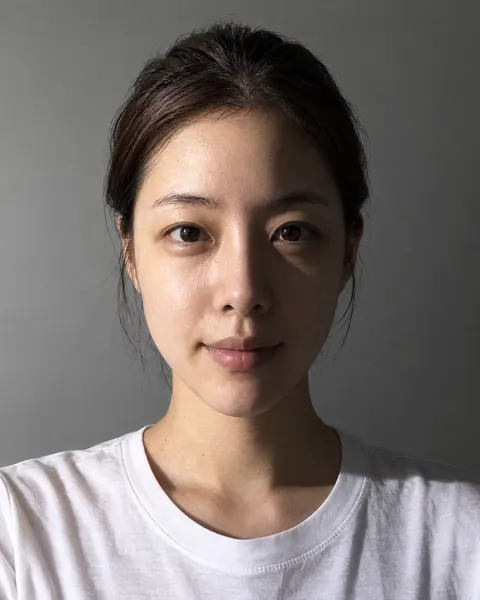 Bad photo: half in shadowWhen one side of your face is much darker than the other, our analysis asks for a retake instead of guessing.
Same photo, same result: the analysis is not random. A new photo under a different light can change it: in the examples above, a beauty filter and a window behind you moved the result, and a warm lamp or a half-shadowed face made us ask for a retake. If your result surprises you, retake once by a window in daylight and compare.